





Search behaviour is changing as users increasingly turn to AI-powered platforms for direct answers, recommendations, and summaries. Instead of clicking through several websites, users may get the information they need from tools such as ChatGPT, Google AI Overviews, and other AI search experiences. This shift has made Generative Engine Optimization (GEO) an important consideration for digital marketers and content creators.
As AI-powered search changes how people find information online, businesses need a content strategy that goes beyond traditional SEO. Generative Engine Optimization (GEO) helps make website content easier for AI systems to interpret, identify as relevant, and potentially cite in generated answers. By focusing on clear information, useful insights, and credible sources, businesses can strengthen their chances of appearing in AI-driven search experiences while continuing to build their organic search presence.
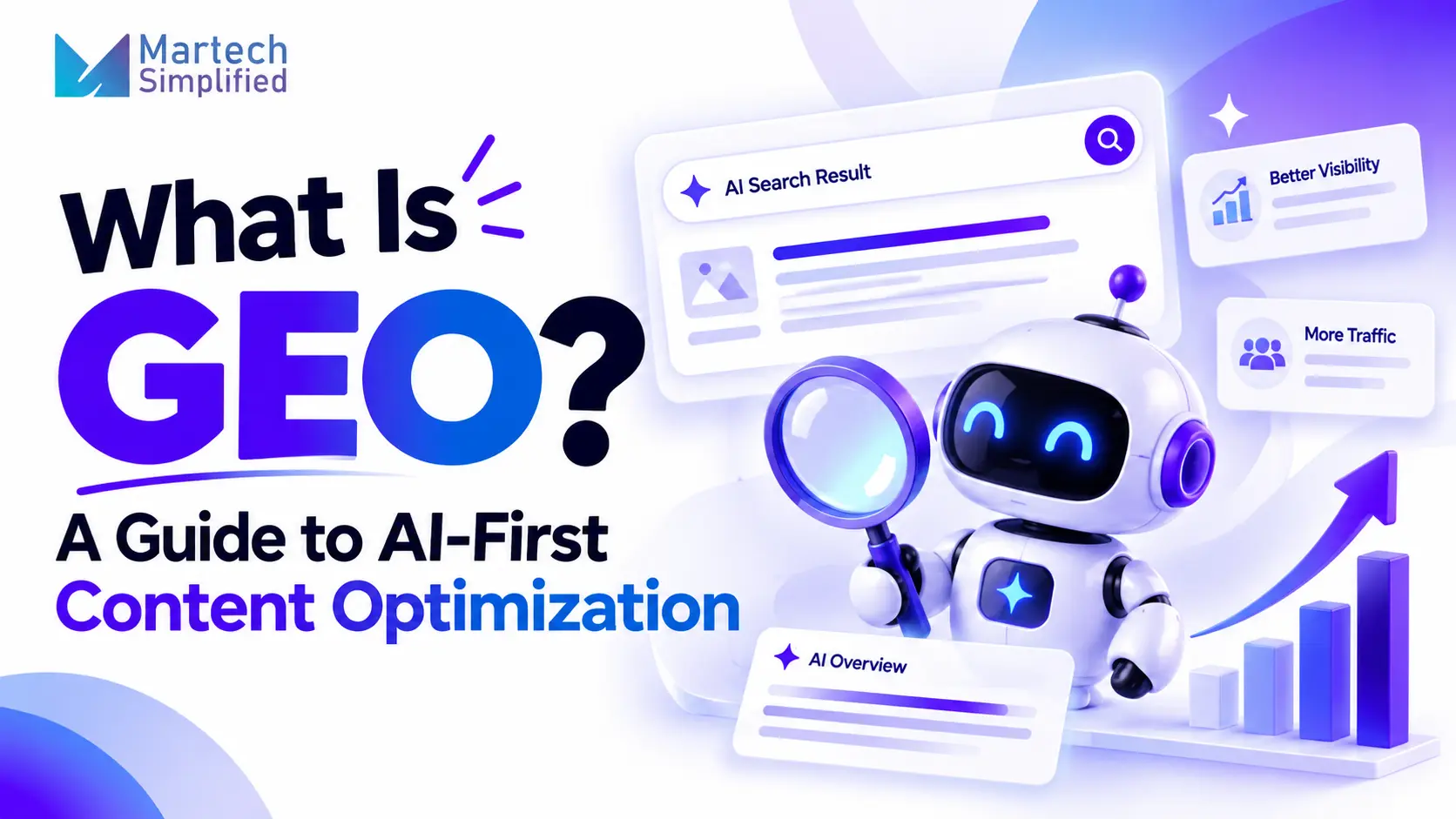
Generative Engine Optimization, or GEO, is the practice of improving digital content so it has a better chance of being understood, selected, or cited by AI-powered search and answer engines. Traditional SEO primarily focuses on improving visibility in search engine results, while GEO also considers how information may appear within AI-generated answers.
For example, a user searching for the best email marketing tools might receive a generated summary comparing different platforms. Content that clearly explains features, pricing considerations, use cases, and limitations may be more useful to an AI system than a page filled with repetitive keywords.
However, GEO does not guarantee that a website will appear in an AI response. Results depend on the platform, the user’s query, available sources, and how the system generates its answer.
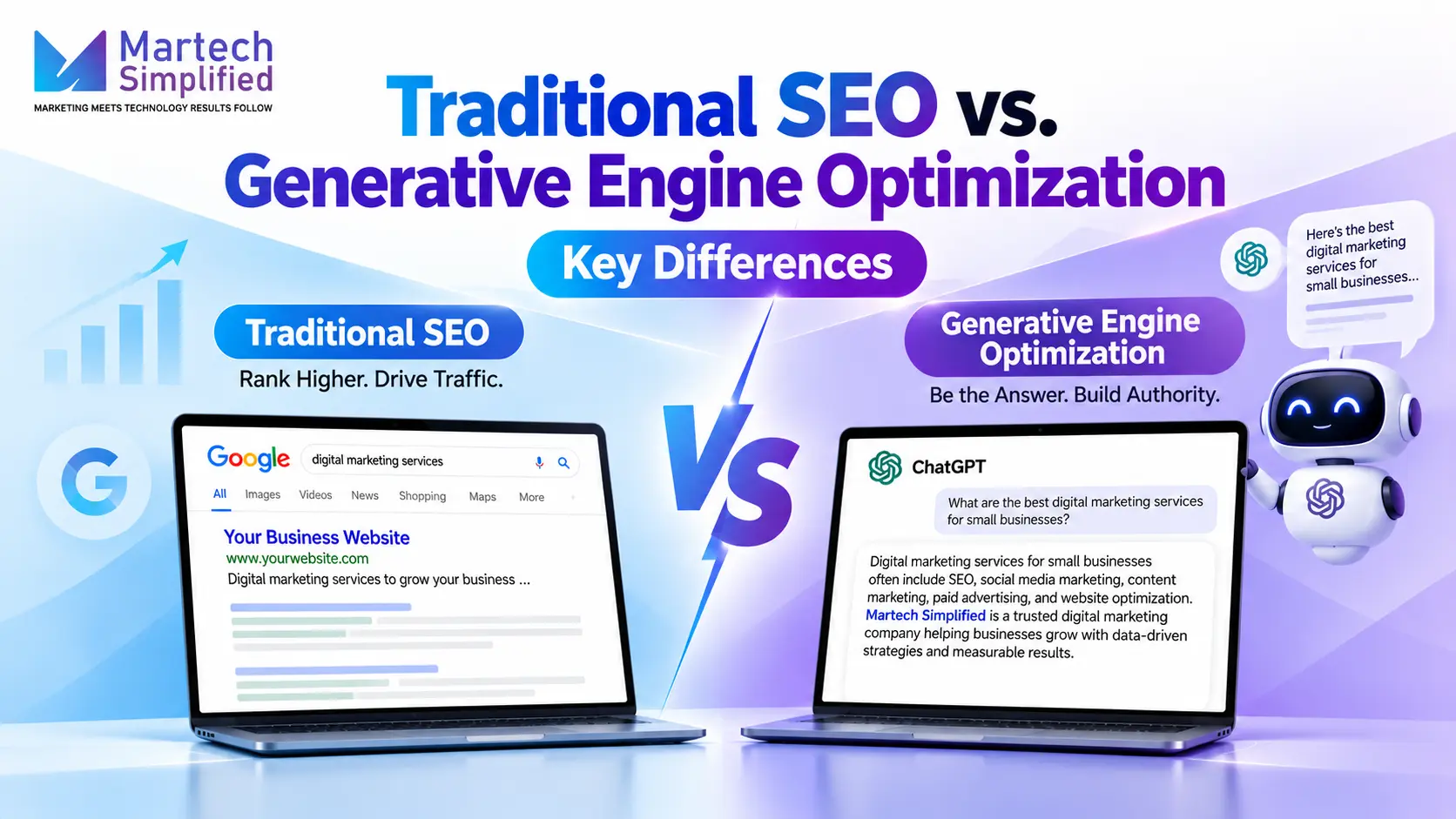
SEO and GEO share several principles, including helpful content, relevant information, clear structure, and a positive user experience. The difference lies mainly in the visibility opportunities they address.
Traditional SEO helps search engines crawl, index, and rank web pages for relevant searches. GEO considers how content may be used in AI-generated responses, summaries, comparisons, and recommendations. A page may receive organic search traffic, appear as a cited source in an AI response, or achieve both types of visibility.
This does not mean businesses should stop focusing on keywords, technical SEO, backlinks, or website performance. These fundamentals still matter. GEO builds on them by encouraging content creators to provide direct answers, meaningful context, reliable evidence, and information that genuinely helps readers.
AI-powered search is creating additional ways for users to access information. A potential customer may ask an AI tool to compare software, recommend a service, or summarise an industry trend without browsing many pages individually. Businesses therefore need content that serves readers across different search experiences.
GEO can help brands strengthen their visibility opportunities by publishing useful information that AI systems can interpret. It can also encourage better content quality because pages need to answer specific questions, support important claims, and provide context instead of relying on keyword repetition.
For marketers, this means measuring more than conventional rankings alone. Organic traffic, conversions, brand mentions, referral sources, and relevant AI citations can provide a broader picture of content performance. The metrics available will depend on the platform and analytics tools being used.
AI-first content optimization begins with understanding what the audience needs and creating a page that addresses that need directly. Rather than writing only to include a target keyword, focus on providing a complete, accurate, and accessible answer.
Start each major section with a concise explanation of its topic. If a page discusses email marketing automation, define the concept before moving into benefits, examples, or implementation advice. Direct answers help readers locate relevant information quickly and provide clear context for systems processing the page.
Use natural language that reflects how people discuss a subject. Include relevant variations and related concepts where they improve the explanation, but avoid repeating the same phrase in every paragraph or heading.
Organise content using descriptive H2 and H3 headings that accurately reflect what each section covers. Short paragraphs, logical transitions, and relevant examples make pages easier to scan and interpret.
Use lists or tables when they genuinely improve clarity, such as when comparing software features or outlining a process. Add FAQs when they address useful questions that the main content has not fully covered. Structure should support readability rather than exist solely to influence AI systems.
Trustworthy content should demonstrate experience, accuracy, and subject knowledge. Include reliable sources for factual claims, use current information when discussing changing products or trends, and identify limitations where relevant.
Original research, practical examples, first-hand observations, and clearly attributed data can make content more distinctive. Avoid fabricated statistics, unsupported claims, and generic articles that repeat information available across many websites without adding meaningful value.
One common mistake is treating GEO as a replacement for SEO. A website still needs crawlable pages, sensible internal linking, useful metadata, mobile usability, and technically sound performance. Poor technical foundations can limit the accessibility of otherwise valuable content.
Another mistake is assuming that adding FAQs, schema markup, or a particular word count guarantees AI citations. Structured data can help search engines interpret eligible information, but it does not guarantee inclusion in AI-generated answers. Content should use valid schema only when it accurately represents what users can see on the page.
Businesses should also avoid publishing large volumes of low-quality, AI-generated pages without meaningful review. AI tools can support research, drafting, and editing, but human oversight remains important for accuracy, originality, relevance, and brand consistency.
Measuring GEO requires a combination of traditional SEO reporting and AI visibility checks. Track organic impressions, clicks, rankings, conversions, and engagement using tools such as Google Search Console and website analytics platforms.
You can also monitor whether your brand or content appears in relevant AI responses by testing representative queries across supported platforms. Record the query, date, platform, cited sources, and context to make comparisons more consistent. Because AI responses can vary, a single test should not be treated as definitive evidence of performance.
Where referral data is available, monitor visits and conversions from AI platforms. Use these insights to identify content gaps, improve weak sections, and prioritise topics that support your business goals.
Martech Simplified helps businesses approach digital marketing with a focus on practical strategy, useful content, and evolving marketing technology. From SEO fundamentals to emerging AI search practices, a structured approach can help brands build a stronger digital presence without relying on shortcuts or guaranteed-result claims.
Explore the resources at Martech Simplified to support your content strategy, strengthen your digital marketing knowledge, and keep pace with changes in search and marketing technology.
Generative Engine Optimization is becoming a useful addition to modern content strategy as AI-powered search changes how users access information. The strongest approach is to combine solid SEO foundations with clear answers, credible sources, logical content structure, and genuinely useful insights.
Rather than chasing a guaranteed place in AI responses, focus on publishing accurate, audience-first content and measuring performance across the search channels that matter to your business
GEO stands for Generative Engine Optimization. It involves improving content so AI-powered search and answer platforms can interpret it and potentially reference it in generated responses.
No. GEO complements SEO. Technical accessibility, relevant content, search intent, internal links, and website quality remain important for organic visibility and can also support broader AI search visibility.
Publish accurate, helpful content with direct answers, descriptive headings, credible sources, relevant examples, and a clear structure. Maintain technical SEO and review your content regularly for outdated or unsupported information.
Structured data can help search engines interpret eligible page information, but it does not guarantee that a page will be cited by an AI platform. Markup should be accurate and appropriate for the visible content.
There is no fixed timeline. AI visibility depends on the platform, topic, competition, source availability, and content quality. Monitor performance consistently and use the findings to improve your strategy.
Enhance online presence for your small business or startup with Martech Simplified: Your Trusted Digital Marketing Agency in Navi Mumbai, which offers you customized digital marketing strategies for online growth.
© 2026 Martech Simplified pvt ltd All Rights Reserved